
From subscriptions to the steppe
An update on manul camera traps

Hello everyone,
It has been a little while since I last posted something for Manul Monday. Things have gotten a bit busy for me these days, but just because my Substack has been quiet doesn’t mean there hasn’t been plenty happening in the manul world.
Minul season is upon us, and we have already begun hearing the first exciting news of the year: the arrival of a brand new litter of kittens at Port Lympne Reserve in the U.K, born to Namuu, aka Poppy, and Atlan (their second litter); another successful litter from the Japanese sensations, Az and Nar; and the news of U.S. kittens coming from Dakota zoo, born to proud parents Laura and Fin.
But today I want to share a different kind of update. Last year, many of you helped support the Manul Working Group by contributing through subscriptions to this Substack, raising money for two new cameras for their monitoring network in the Altai Mountains and Central Kazakhstan. While we are still waiting for news on what these particular cameras have observed over the past year, the Manul Working Group has been hard at work processing data from the 2024–2025 field season. You can read (and see) more from that field season in their annual update here.
Those two cameras funded by all of you are located at sites called Talduair and Bar-Burgazy, both within the Altai Mountains. One replaced an older, broken camera that had previously recorded several manuls, including juvenile kittens in 2021.

Manul Working Group’s 2024-2025 survey effort was impressive. Across more than 50 camera locations, their team collected over 300,000 images and videos, which were then processed with the help of volunteers. A sincere thank you to everyone who gave their time to help with that work. Camera trap image curation may sound simple enough, but I can speak from experience: it takes real focus and dedication to separate false alarms from actual animal observations.
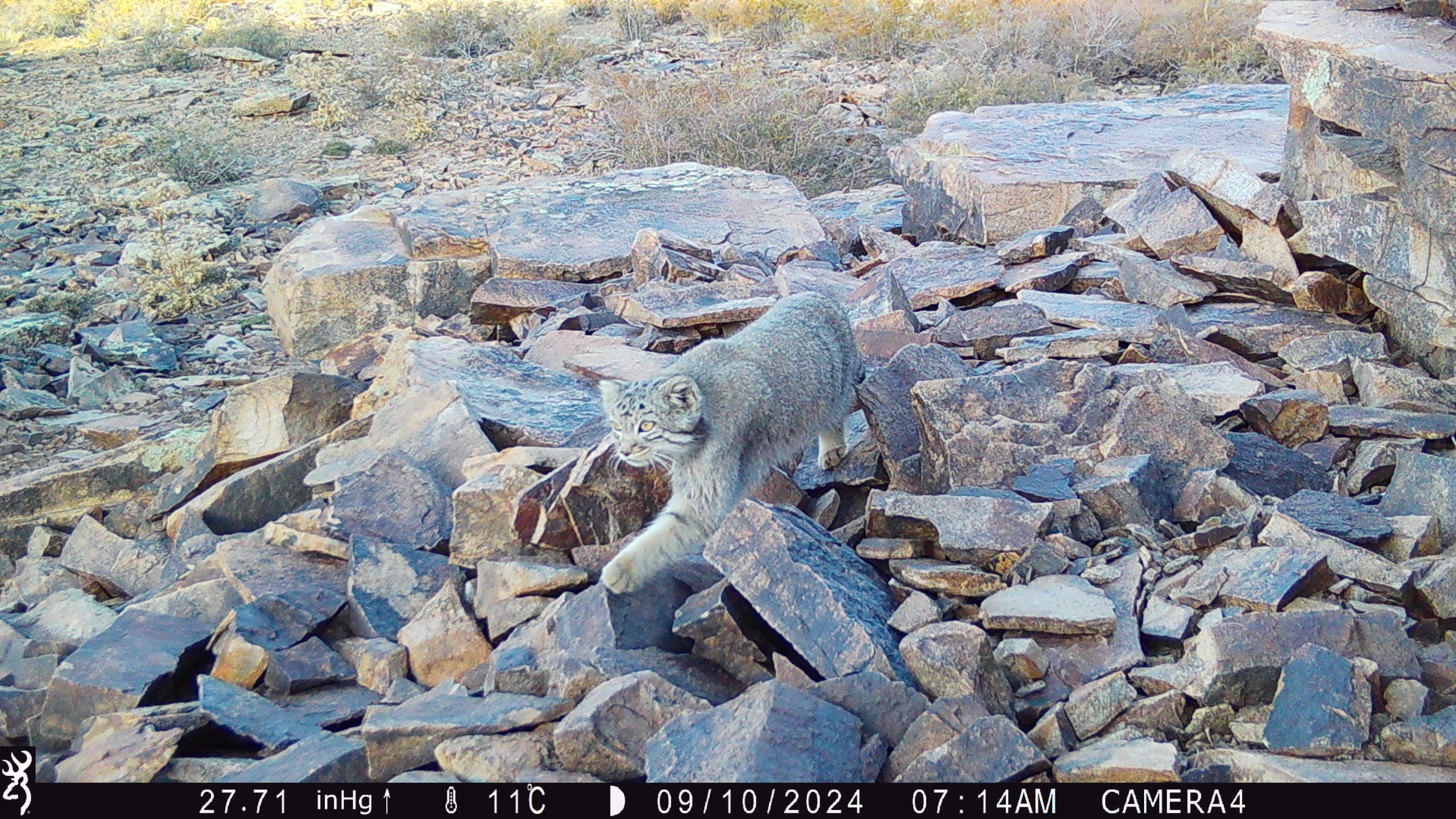
Yet, the results were worth it. More than 25 mammal species were recorded, including, of course, the manul. The team documented over 150 independent manul events, with nearly half of all camera sites recording at least one manul. I found it especially heartening that cameras funded through the adoption program recorded 60% of all manul detections, including one observation of a female with multiple cubs. Adopting cameras makes a real difference in helping researchers understand these elusive and sensitive cats, and supports conservation efforts to ensure they continue to roam the steppe for generations to come.
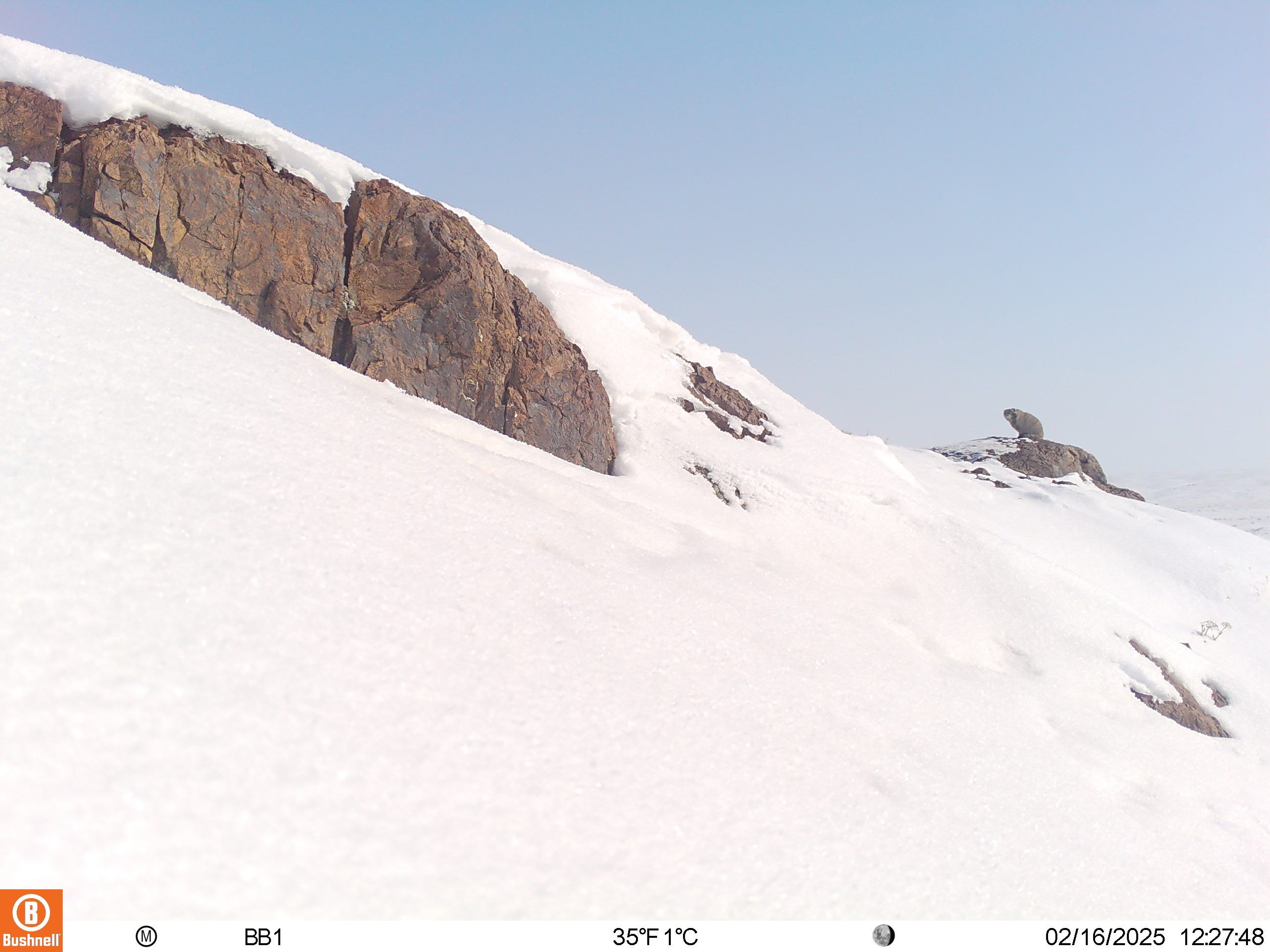
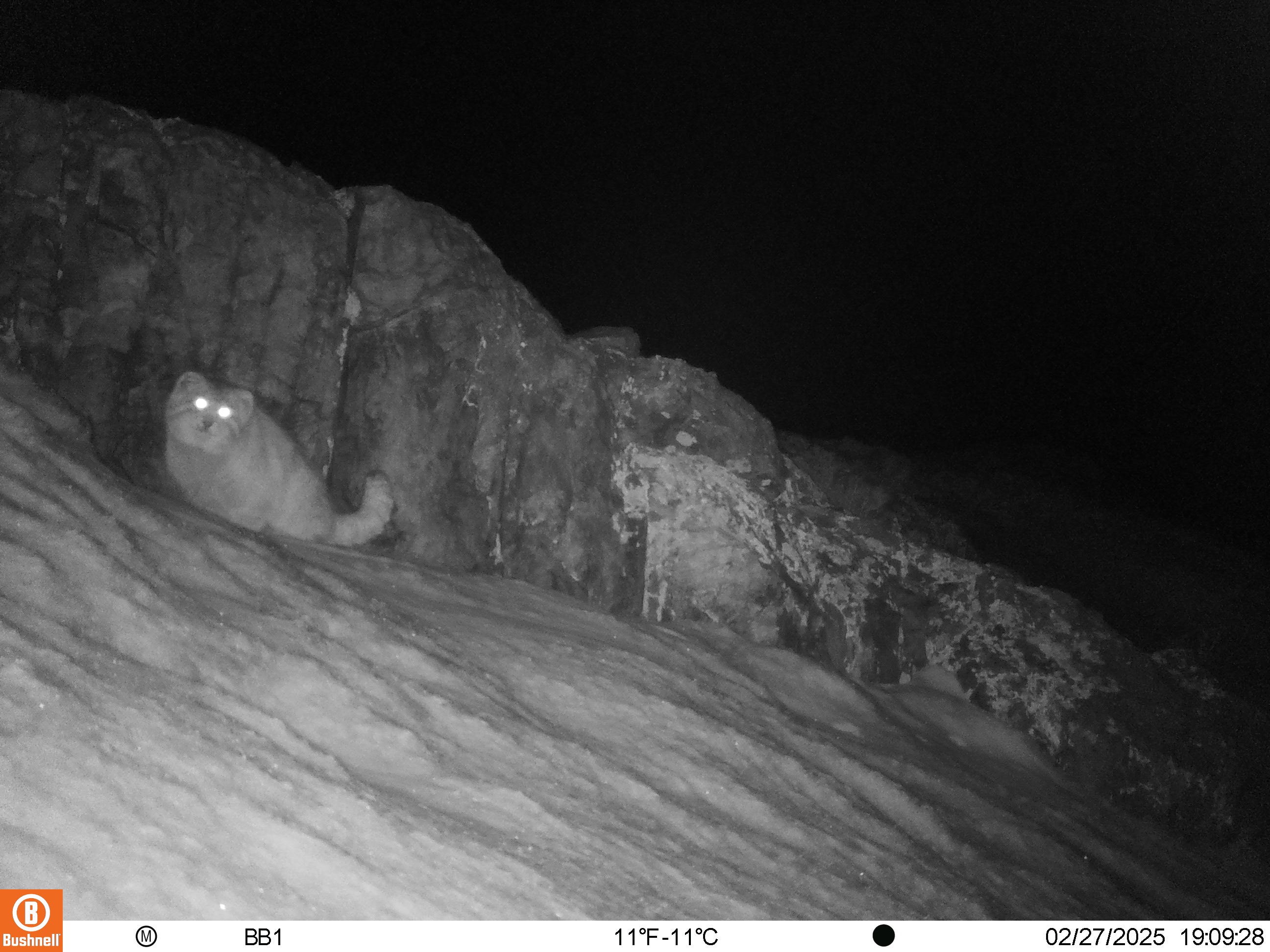
So what can be learned from all of these photos and data points? Some of the findings reinforce what we already know. Manul observations were most frequent in the late afternoon, evening, and early morning. Fitting for a crepuscular cat. The cameras also recorded Kazakh pika in the same areas as manuls, an important detail given the role pikas play as a key prey species in the harsh landscapes of the Kazakh steppe. And the cameras didn’t only capture our favorite short-legged cats. Other wild cats were seen as well, including Eurasian lynx and the Asiatic wildcat.
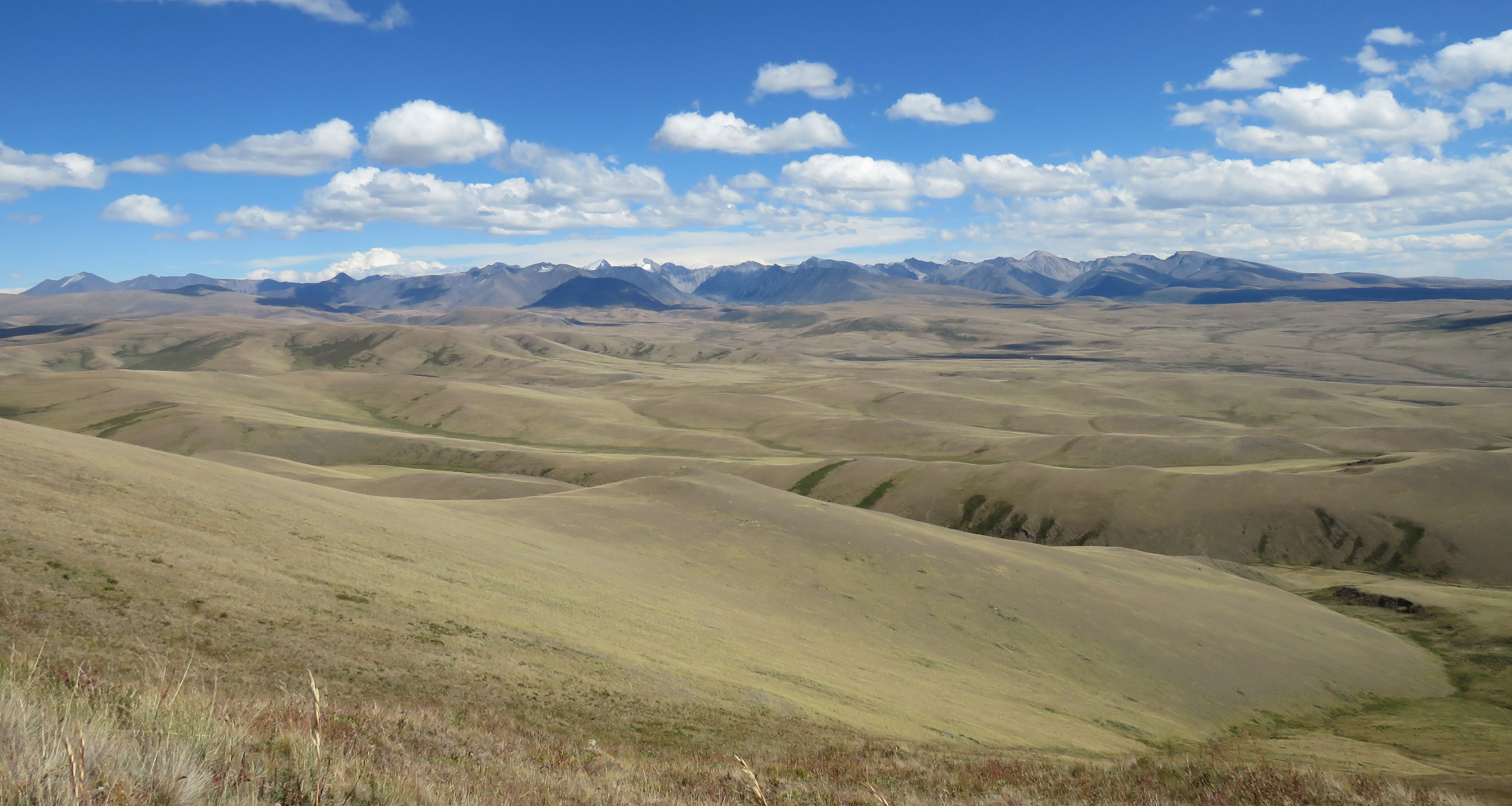
In a landscape like this camera traps serve a valuable purpose, catching a glimpse of a secret world. They allow researchers to monitor the vast, seemingly empty wilderness and reveal the hidden community of predators, prey, competitors, and ecological interactions. These are the kinds of dynamics conservationists need to understand in order to support healthy populations and functional ecosystems. In many cases, this work would be difficult, impractical, or simply impossible to conduct through direct observation alone.
So I want to extend my deepest thanks to all of you that helped make this possible. Your support helped place real tools in real manul habitat. I also want to thank Dan from FUZZ for all of his support during that fundraising effort. You can find his latest work on YouTube at Park Vibes, where he has been putting out some truly top-notch wildlife and conservation-related content.
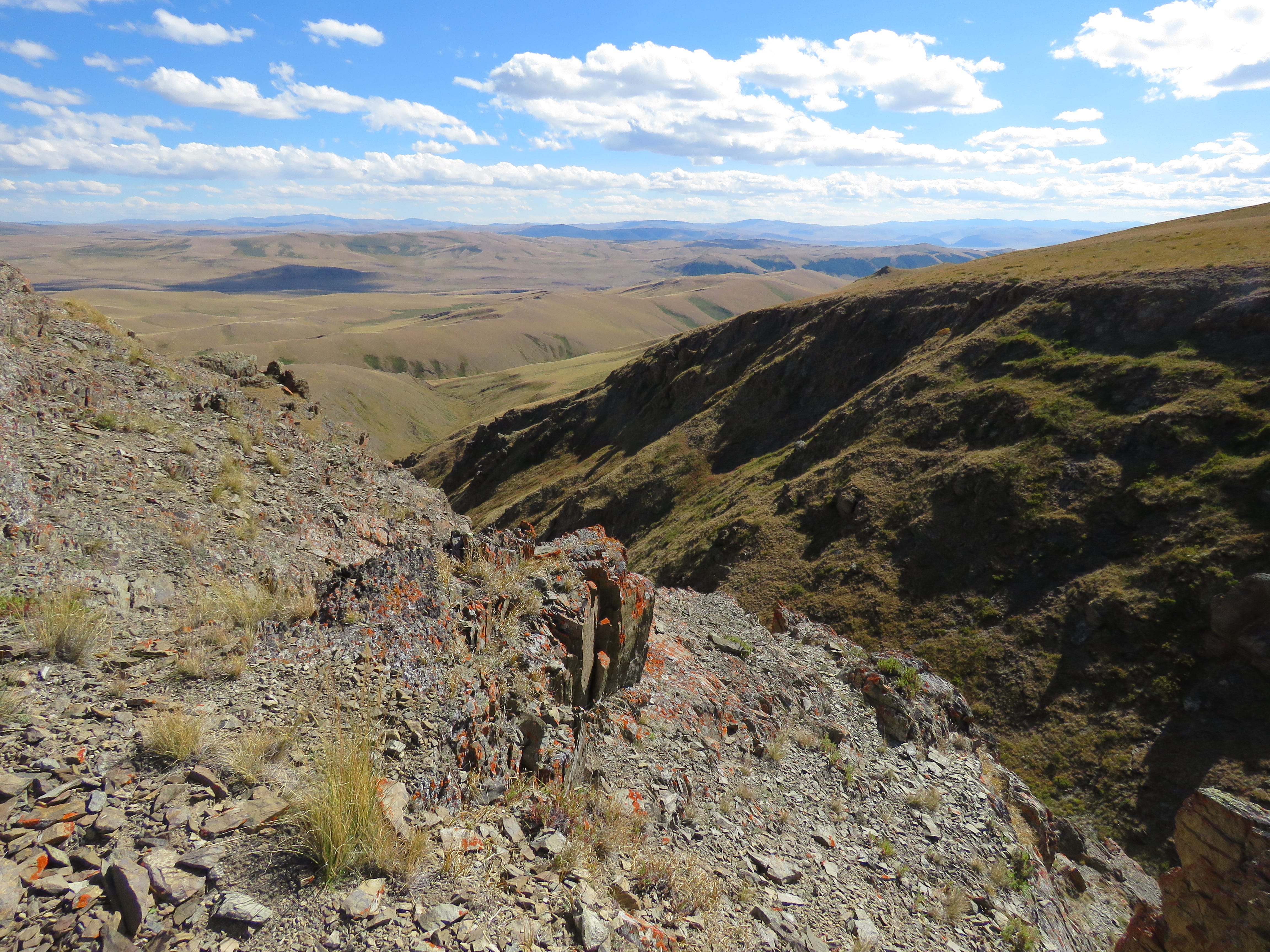
If you found this update interesting and would like to support more of the Manul Working Group’s efforts in the field, please consider adopting a camera or making a donation directly to them here. And if you feel like getting more hands-on you can sign up to be a volunteer to analyze camera trap images after this summer field season, when new images will be collected. More on the process in my previous article about volunteering for MWG. If that tickles your fancy go sign up here.
I'm happy to see you again! All the fluffy wishes to you! Thank for this post and for the initiative!
I cannot but mention that Manulization community participated in camera purchase with MWG as well. Here are the results from Kazakhstan: https://manulization.com/cameras There a lot of photos. Especially I'd like to mention this precious little guy: https://manulization.com/cameras/kazakhstan/koshkar/photos-and-videos/HJPG5o4DkaTrrDJ7?taxon=otocolobus-manul-manul 😊 I'm so glad that so many manul enthusiasts help scientists and zoologists to study manul habitats.
P.S. I also adore this photo representing all that elusiveness of the Pallas cats. https://manulization.com/cameras/kazakhstan/aktas-kunkora/photos-and-videos/0yl7KipiIqXhDmXy?taxon=otocolobus-manul-manul&sortOrder=recentlyTakenFirst
Amazing, thanks for sharing an update!!